Why Recess Matters: How Park’s Flexibility Prioritizes the Whole Child
April 28th, 2026


Why Recess Matters: How Park’s Flexibility Prioritizes the Whole Child
April 28, 2026
As New York debates legislation that would require at least 30 minutes of daily recess for elementary students in public schools, the conversation reinforces something that forward-thinking, independent private schools like The Park School of Buffalo have long understood: children thrive when movement, play, and autonomy are treated as essential parts of education—not extras. Proposed state legislation emphasizes that recess supports physical activity, social development, mental health, stronger focus, and even academic performance. Experts cited in the statewide discussion note that play helps children concentrate better, build executive functioning skills, and reduce anxiety.
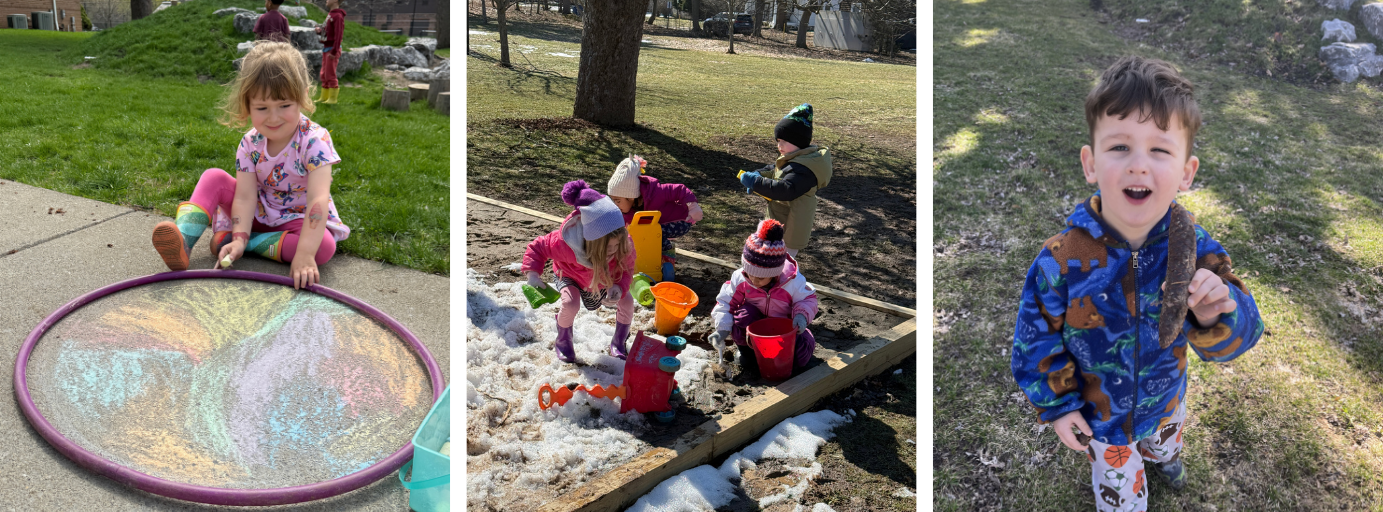
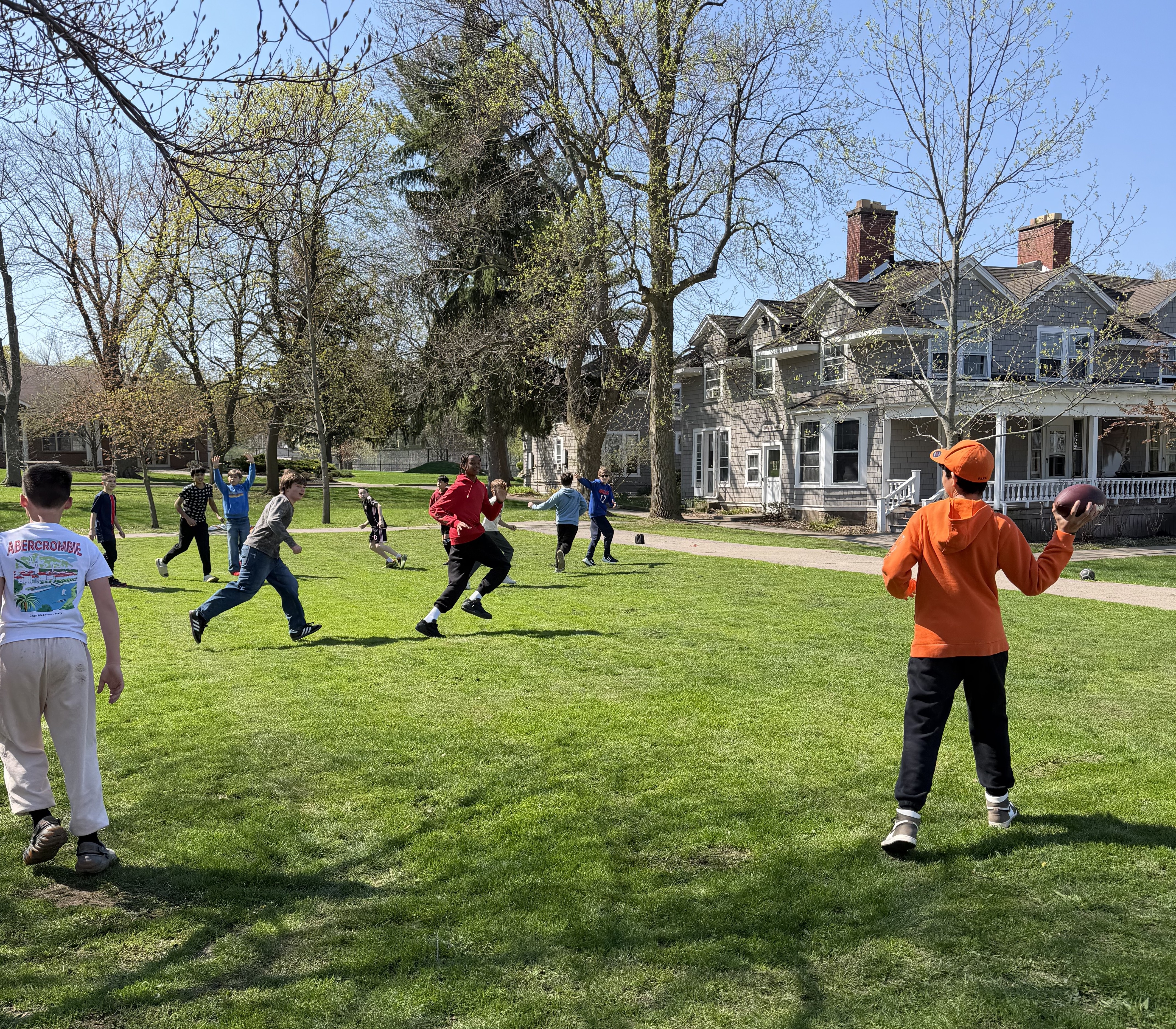
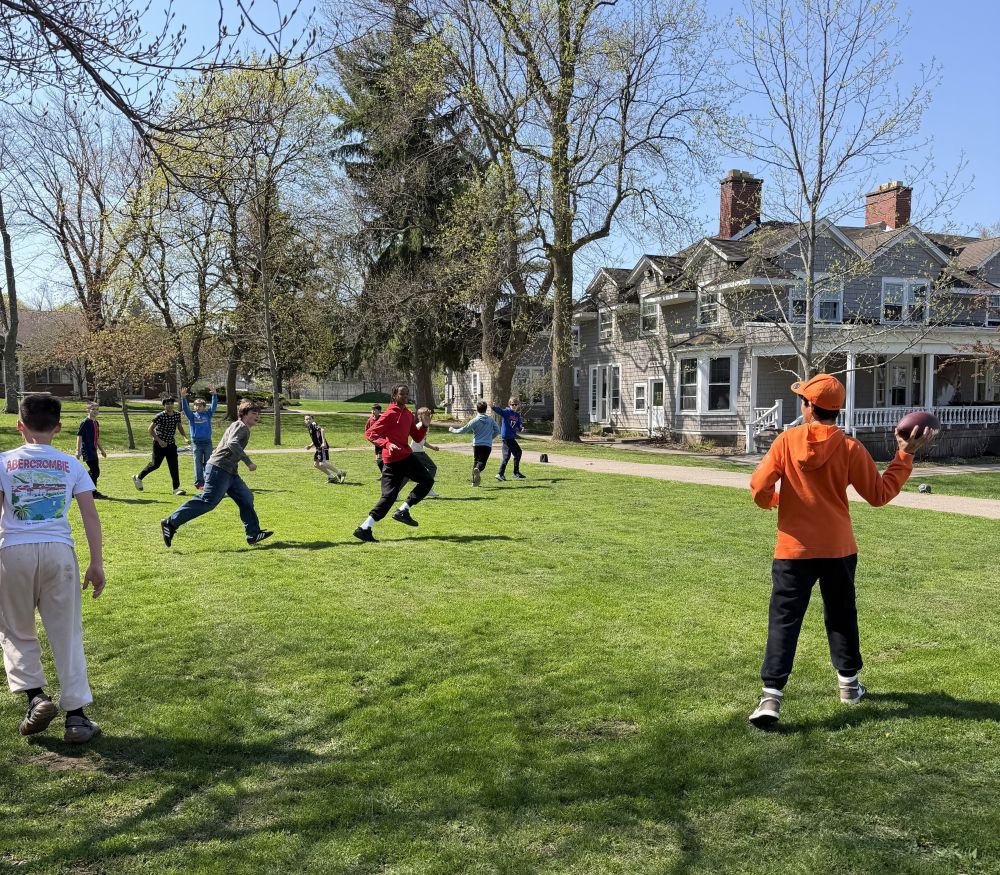
At The Park School of Buffalo, this philosophy aligns naturally with the School’s longstanding child-centered approach. As an independent school, Park has the flexibility to prioritize what students truly need—not simply what mandates require. Rather than waiting for legislation to define minimum standards, independent schools like Park can thoughtfully build schedules that reflect the developmental benefits of outdoor time, movement, and student agency. That means recess and breaks can be integrated intentionally, when students need them most, supporting both wellness and learning in ways that are responsive rather than rigid.

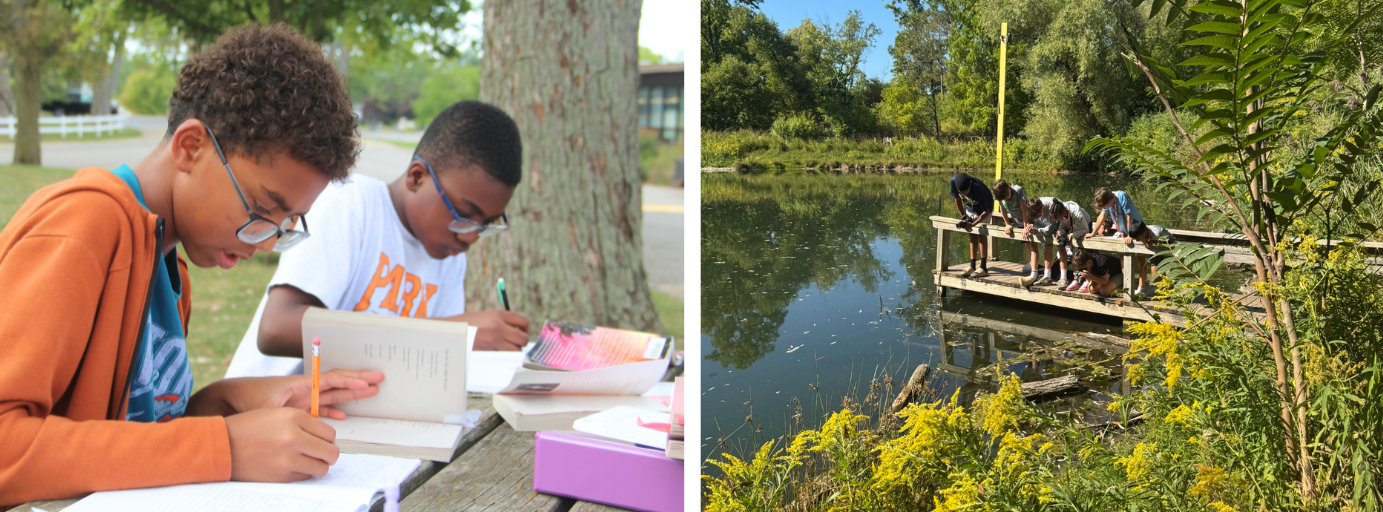
This flexibility is one of private education’s greatest strengths: the freedom to design a school day around the whole child. At Park, opportunities for recess, outdoor exploration, and active learning are not interruptions to education—they are part of it. Especially for younger students, these moments foster independence, creativity, collaboration, and emotional regulation, all while reinforcing the joyful, balanced experience families seek.
In a moment when public systems are working to guarantee something as fundamental as recess, Park stands as an example of what educational autonomy can offer: the ability to go beyond minimum requirements and create an environment where children have the space to move, recharge, and grow—academically, socially, and emotionally.